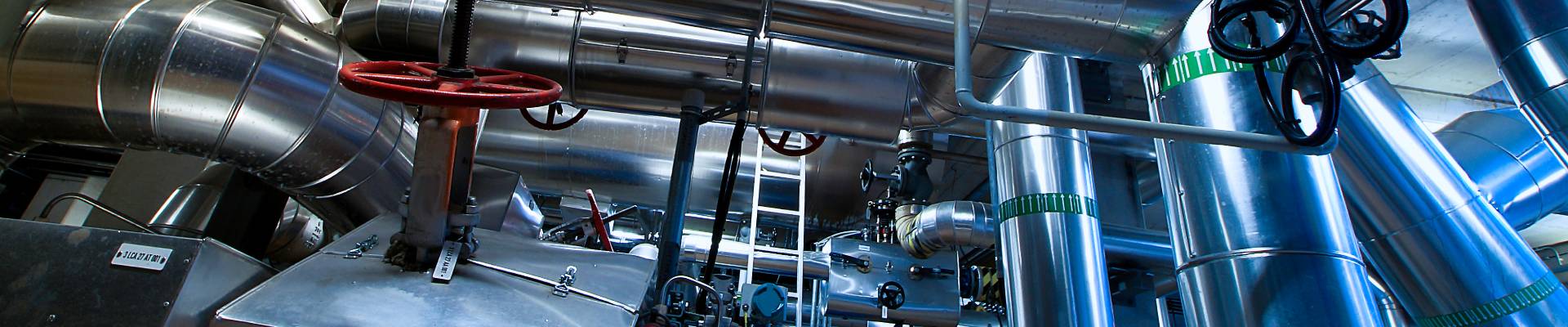
Cryogenic Insulation Services in UAE
Cryogenic Insulation Services in UAE: Keeping the Cold Where It Belongs
What is cryogenic insulation?
Cryogenic insulation is an ultra-low temperature thermal system designed to maintain temperatures from −50°C down to −196°C in applications involving liquefied natural gas (LNG), liquefied petroleum gas (LPG), liquid oxygen, liquid nitrogen, and liquid hydrogen. In the UAE's expanding LNG and petrochemical sector, cryogenic insulation prevents boil-off, eliminates condensation, and protects structural integrity at temperatures where standard insulation materials fail. Approved systems include expanded perlite, aerogel blankets, polyisocyanurate (PIR), cryogel, and vacuum-jacketed piping, all installed with specialist multi-layer vapour barrier systems and stainless steel cladding.
Introduction: Protecting the Future, One Degree at a Time
At NOVOCLAD INSULATION CONTRACTING L.L.C., we understand that Cryogenic Insulation Services in UAE aren’t just about keeping things cold—they’re about enabling progress. From powering LNG facilities to advancing medical diagnostics, our insulation solutions are tailored to maintain ultra-low temperatures critical for cutting-edge industries.
Whether you’re safeguarding liquefied gases, preserving medical equipment, or optimizing hydrogen production, we deliver reliable, durable, and efficient cryogenic insulation solutions that rise to the challenge of UAE’s demanding environments.
Comprehensive Cryogenic Insulation Services
Tailored Solutions for the Industries That Shape Tomorrow
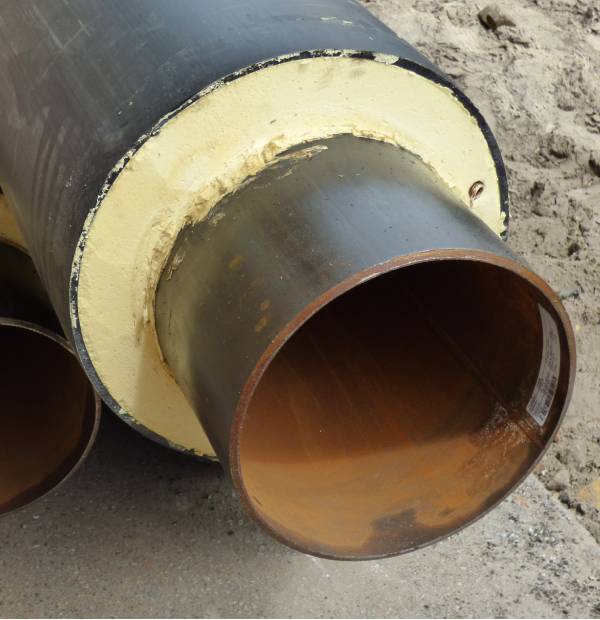
Design and Material Supply
Design and Material Supply
We begin with a detailed assessment of your needs, recommending materials and solutions that provide maximum efficiency and durability.
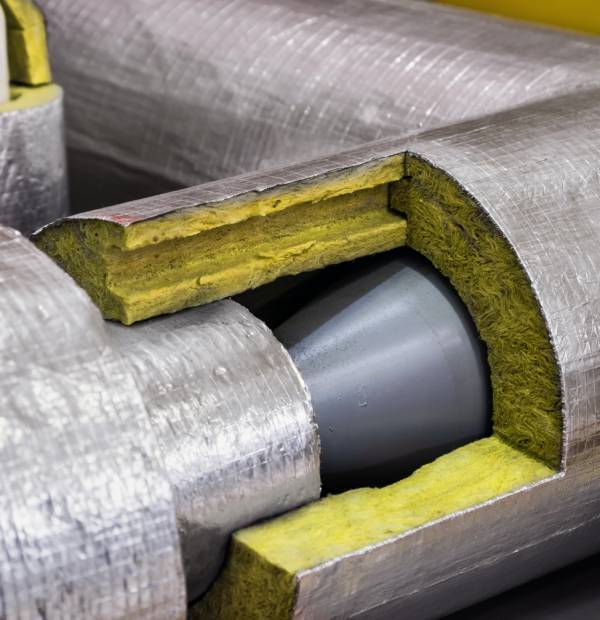
Custom Fabrication
Custom Fabrication
No two projects are alike, which is why we offer customized fabrication to meet the unique demands of your equipment and processes.
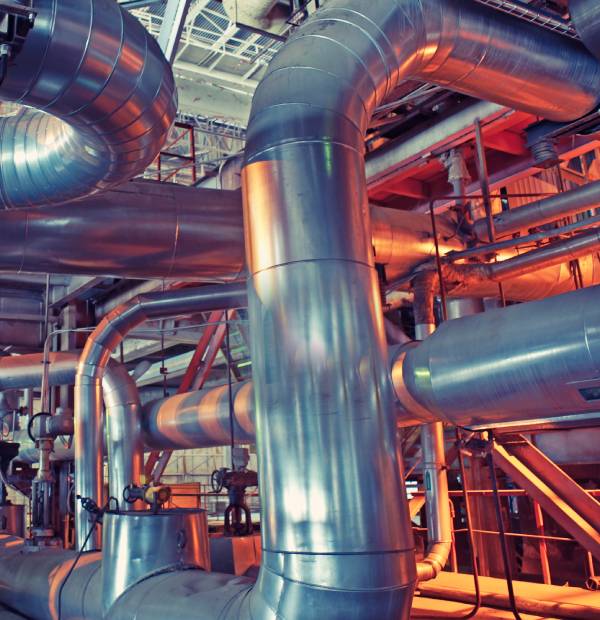
Turnkey Installation
Turnkey Installation
From transfer lines to storage vessels, our expert installation team ensures your system is fully operational and built to last.
Why Choose NOVOCLAD?
Precision, Durability, and Performance in Every Layer
-
Expert Design: Every project starts with careful planning to match your specific requirements.
-
Top-Tier Materials: We use premium materials like cryogel, PIR, and foamglas to ensure unmatched performance.
-
Comprehensive Solutions: From material supply to installation, we handle it all with expertise.
-
Eco-Conscious Practices: Sustainability is central to our approach, supporting your green goals.
Industries We Serve
A Solution for Every Sector
-
Oil and Gas Safeguard pipelines and critical systems against temperature fluctuations.
-
LNG and LPG Facilities: Enable the safe storage and transport of liquefied gases.
-
Hydrogen Production: Maintain low temperatures essential for efficiency and safety.
-
Cryogenic Transport: Insulate sensitive materials for transit in harsh conditions.
-
Medical and Healthcare: Preserve critical fluids and equipment in ultra-cold environments.
-
Aerospace Support advanced technologies and space exploration with precision insulation.

Application Areas
Versatility That Delivers Value
- Transfer Lines and Piping Systems: Maintain thermal stability across extensive systems.
- Process Equipment: Protect temperature-sensitive machinery from operational stress.
- Low-Temperature Tanks: Enhance insulation for long-term storage applications.
- Storage Vessels: Minimize heat ingress to improve energy efficiency.
Materials We Use
Built to Perform Under Pressure
Cryogel Insulation Combining flexibility with superior thermal performance, cryogel insulation is ideal for maintaining ultra-low temperatures in challenging conditions.
Polyisocyanurate (PIR) Insulation Lightweight yet highly durable, PIR insulation delivers exceptional thermal efficiency and is easy to handle for a variety of applications.
Foamglas (Cellular Glass) Insulation Non-combustible and moisture-resistant, foamglas is a reliable choice for demanding environments requiring long-term durability.
Accessories:
- Vapor Barriers: Prevent moisture ingress, preserving thermal integrity.
- Insulation Joint Sealants: Seal gaps for continuous and reliable protection.
- Vapor Stop Sealants: Add a critical layer of protection against vapor penetration.
Cladding Materials:
- Aluminum: Lightweight and corrosion-resistant for exterior applications.
- Stainless Steel (SS304/SS316): Durable and perfect for high-performance environments.
- Galvanized Steel: An affordable option with strong protective qualities.

Contact Us: Let’s Build Tomorrow Together
At NOVOCLAD INSULATION CONTRACTING L.L.C., we’re committed to delivering high-performance Cryogenic Insulation Services in UAE that exceed expectations. Whether you’re managing an LNG facility or working on the next breakthrough in medical technology, our team is here to support you.
FAQs: Cryogenic Insulation in UAE — Your Questions Answered
Everything you need to know about cryogenic insulation for LNG, LPG and ultra-low temperature applications
Cryogenic insulation is an ultra-low temperature thermal system designed to maintain temperatures from −50°C down to −196°C in applications involving liquefied natural gas (LNG), liquefied petroleum gas (LPG), liquid oxygen, liquid nitrogen, and liquid hydrogen. In the UAE's expanding LNG and petrochemical sector, cryogenic insulation prevents boil-off, eliminates condensation, and protects structural integrity at temperatures where standard insulation materials fail.
Cold insulation covers below-ambient temperatures typically from −50°C to +10°C, used for chilled water, refrigeration, and HVAC systems. Cryogenic insulation is a specialist category for temperatures below −50°C, required for liquefied gases such as LNG (−162°C), liquid nitrogen (−196°C), liquid oxygen (−183°C), and liquid hydrogen (−253°C). Cryogenic applications require specialist materials, multi-layer vapour barriers, and stainless steel cladding capable of withstanding extreme thermal contraction.
The most effective cryogenic insulation materials in UAE projects are: cryogel (aerogel-based flexible blanket, excellent for complex pipe geometries), polyisocyanurate (PIR) board (lightweight, high thermal resistance, rated to −180°C), foamglas / cellular glass (non-combustible, impermeable to vapour, rated to −268°C), expanded perlite (used in annular space insulation for large cryogenic vessels), and polyurethane foam (PUF) for LNG transfer lines and storage tanks rated to −200°C.
LNG is stored and transported at −162°C. Without effective cryogenic insulation, LNG warms up, vaporises, and boils off — reducing product quantity and creating pressure build-up risks. In the UAE's extreme ambient temperatures (up to 50°C), the thermal differential between the environment and LNG exceeds 210°C, making high-performance cryogenic insulation essential for safety, product preservation, and regulatory compliance with ADNOC and international LNG standards. A 1% improvement in insulation efficiency on a large LNG tank can prevent millions of AED in boil-off losses annually.
Cryogenic insulation is required across several UAE sectors: oil and gas (LNG storage, LPG processing, hydrogen production, gas separation plants), petrochemicals (cryogenic distillation columns, ethylene plants), medical and pharmaceutical (liquid nitrogen storage for biological samples, MRI cooling systems), aerospace (rocket propellant storage, cryogenic testing facilities), food and beverage (blast freezing, cryogenic food processing), and industrial gases (liquid oxygen, liquid nitrogen, liquid argon production and distribution).
At cryogenic temperatures, even tiny amounts of moisture penetrating the insulation will freeze, expand, and mechanically damage the insulation system from within — eventually destroying its thermal performance and causing catastrophic failure. In the UAE's high-humidity climate, the vapour pressure differential between the warm exterior and the cryogenic surface is extreme, making a continuous, multi-layer, defect-free vapour barrier mandatory on every cryogenic insulation system. Any breach in the vapour barrier — even a pinhole — must be repaired immediately.
Yes. Novoclad Insulation Contracting LLC is an ADNOC-registered vendor and CICPA-approved contractor, with experience installing cryogenic insulation on LNG facilities, gas processing plants, and petrochemical installations across Abu Dhabi and the UAE. All cryogenic insulation work is executed to ADNOC DEP specifications and international standards (BS EN ISO 23551, ASTM C591).
Stainless steel cladding (SS304 or SS316) is the standard choice for cryogenic insulation systems because it withstands extreme thermal contraction at low temperatures without cracking or delaminating. SS316 is preferred for offshore and coastal environments where chloride corrosion is a risk. All cryogenic cladding joints are sealed with specialist cryogenic sealants to maintain vapour barrier continuity across the full thermal envelope.